10 Easy Habits That Improve Your Energy Naturally

Are you looking for easy habits that improve your energy naturally? Nowadays, feeling tired seems to have become routine for many people. Often, we wake up fatigued, depend on coffee to get through the morning, and find ourselves drained by mid-afternoon. We blame age, busy schedules, or the pressures of daily life for this constant exhaustion. The good news is that making simple, consistent changes to our habits can help us feel much more energized. There is no need for caffeine, supplements, or complicated plans.
I learned this the hard way.
Several years ago, I discovered that skincare routines, productivity tips, and wellness fads couldn’t make up for ongoing exhaustion. My body wasn’t looking for more excitement—it needed greater support. When I started prioritizing easy, lasting habits to boost my natural energy, everything changed. My mornings grew more peaceful. I concentrate better. Evenings stopped feeling like a struggle.
This guide presents ten straightforward habits designed to enhance energy levels through practical and attainable ways. Notably, these habits are intended to support the body’s natural processes. Whether individuals are adjusting their routines, managing hormonal changes, or seeking increased vitality, these incremental adjustments can foster significant progress.
Let’s start.
1. Start Your Day With Hydration Before Anything Else
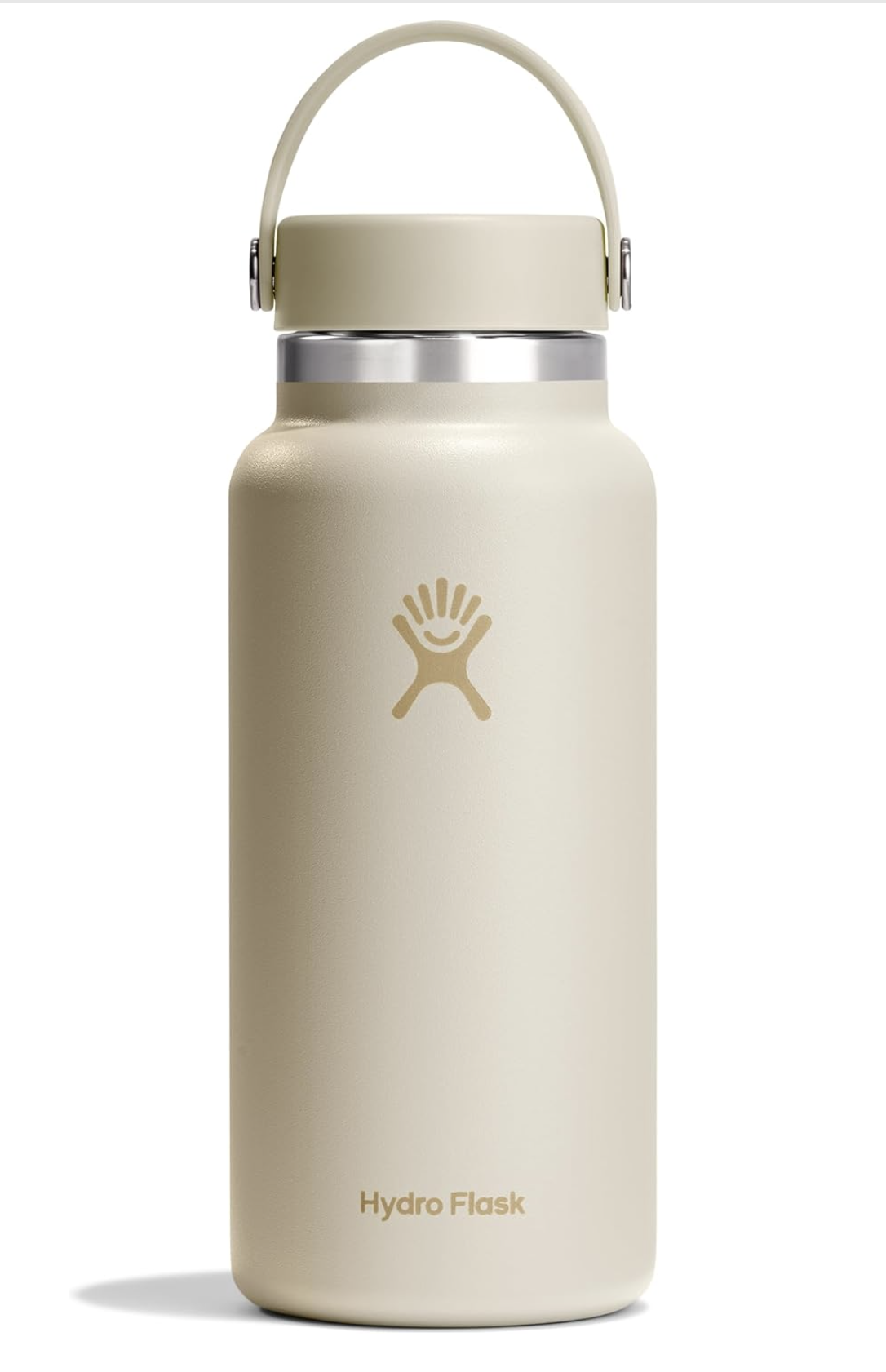
The most important habit that improve your energy naturally is staying hydrated, which is crucial for starting your day well. During sleep, your body loses water, leaving you slightly dehydrated by morning. This can lead to tiredness, brain fog, and slow digestion—even before breakfast. Instead of reaching for coffee right away, start your day by drinking a large glass of water. This easy routine helps boost circulation, jumpstart your metabolism, and improve oxygen delivery to your brain and muscles.
Hydration also aids in cellular energy production. When your cells have enough water, nutrients move efficiently throughout your body, allowing all systems to work their best. If plain water doesn’t appeal to you, try adding lemon juice. You can also add sea salt or slices of cucumber for extra flavor. Eventually, this simple act will become second nature and surprisingly enjoyable. Most importantly, drinking water in the morning sets the stage for positive habits. These habits keep your energy levels high all day long.

2. Natural Morning Light: Powerful Habits That Improves Your Energy
Natural light exposure is one of the many overlooked habits that improve your energy levels effectively. Exposure to morning sunlight assists in regulating the circadian rhythm, thereby supporting balanced hormone production, including cortisol and melatonin. This process contributes to improved alertness throughout the day and better sleep quality at night.
Simple actions like opening curtains can help reset the internal clock. Spending time outdoors is also beneficial. Enjoying a morning beverage near a window is another helpful practice. Notably, even on overcast days, natural light provides significant benefits. Regular exposure to natural light helps prevent midday energy declines. It promotes stable energy levels rather than causing abrupt fluctuations. For individuals working remotely, positioning the workspace close to a window is advisable. To aid consistency, consider combining morning sunlight with other healthy habits. Try incorporating hydration or stretching. This is especially useful if mornings are typically busy.

3. Eat Protein at Breakfast for Sustained Energy
Convenience often influences breakfast selections. However, the nutritional quality of morning meals plays a critical role in sustaining energy throughout the day. Consuming options like sugary cereals, pastries, or refined carbohydrates can cause an early surge of energy. Yet, these foods often lead to a decline in energy.
For enhanced energy stability, it is advisable to prefer protein at breakfast. Protein contributes to balanced blood sugar levels, promotes muscle health, and supports prolonged satiety. Recommended sources include eggs, Greek yogurt, cottage cheese, nut butters, tofu, and protein-based smoothies.
Additionally, protein assists in neurotransmitter synthesis, which in turn influences cognitive functions like focus, motivation, and mood. This can help preserve more consistent mental energy during the morning hours. Minor dietary modifications—like adding nut butter to toast or incorporating seeds into yogurt—can significantly contribute to improved energy sustainability. Establishing such habits over time can have a major positive impact on overall vitality.

4. Gentle Daily Movement: One of the Most Effective Habits That Improve Your Energy
Intense exercise regimens can be beneficial. Yet, engaging in gentle daily movement often yields more consistent energy improvements. This is more effective than occasional high-intensity workouts. Activities like walking, stretching, yoga, light strength training, or mobility exercises promote circulation and effective oxygen delivery. Physical activity stimulates mitochondria—cellular structures responsible for energy production—fostering efficient metabolic operation. Furthermore, regular movement enhances insulin sensitivity, contributing to stable blood glucose levels and reducing the risk of energy fluctuations.
For individuals experiencing low motivation, smaller actions can help. Try taking a brief walk after meals or doing light stretching during leisure activities. Short mobility breaks throughout the workday can also help adherence to an active routine. Ultimately, maintaining consistency is paramount. Making daily movement a habitual practice leads to sustained increases in energy. This approach helps prevent exhaustion.

5. Balance Caffeine Instead of Eliminating It
Caffeine is not inherently detrimental; rather, its impact on energy levels depends on the timing and manner of consumption. Drinking coffee on an empty stomach elevates cortisol levels. It can disrupt blood sugar regulation. This can result in feelings of jitteriness. Energy declines often follow. It is advisable to consume caffeine after eating and maintaining adequate hydration.
Another habits that improve energy is limiting caffeine consumption late in the afternoon. This is because it can impair sleep quality. This impairment can occur regardless of how easily one falls asleep. Individuals gain from exploring beverages with lower caffeine content. Green tea or matcha offers milder stimulation. They also give calming amino acids. In summary, prudent caffeine management can foster sustainable improvements in energy and avoid patterns of dependency.

Improve Your Sleep Environment for Deep Rest
Your energy levels are influenced by how well you sleep the night before. Moreover, good sleep can’t be replaced by any other habit. To help your body get restorative rest, create a peaceful sleeping space. Use dim lights after dark. Keep your room cool. Choose comfortable bedding. Reduce noise so your nervous system can unwind.
Additionally, limiting screen time before bed helps preserve your natural melatonin levels. If you need to use screens at night, try blue-light filters or glasses. Furthermore, sticking to a regular sleep routine is beneficial. Go to bed and wake up at similar times. This routine helps balance your hormones and keep steady energy throughout the day. Ultimately, improving your sleep habits is one of the most effective ways to boost your energy naturally over time.

7. Stabilize Blood Sugar Throughout the Day
Energy crashes are often linked to fluctuations in blood glucose levels. For example, omitting meals can result in fatigue. Consuming high-sugar snacks leads to irritability. Ingesting large amounts of carbohydrates without adequate protein can increase cravings. To mitigate these effects, consume balanced meals that feature protein. Include dietary fiber, healthy fats, and complex carbohydrates. This approach promotes slower digestion and supports sustained energy release.
Nutritional choices for snacks are crucial. Pairing fruit with nuts maintains nutritional equilibrium and is a great habits that improve your energy. Hummus with vegetables is a good choice. Yogurt with seeds also helps. Furthermore, adhering to regular meal intervals can prevent severe hunger and overeating later in the day. As a result, upon achieving stable blood sugar levels, individuals often notice their energy improves significantly. This can occur within a matter of days.

8. Manage Stress Through Simple Nervous System Regulation
Chronic stress quietly saps your energy over time. If your nervous system is stuck in fight-or-flight mode, cortisol levels stay high, interfering with sleep, digestion, hormones, and immunity. Thankfully, simple daily habits can soothe your nervous system. Activities like deep breathing, gentle stretches, stepping outside for a few moments, prayer, meditation, or journaling all help restore balance.
Just two minutes of slow breathing can move your body toward relaxation. Over time, regularly embracing these brief moments of calm builds long-term resilience. Don’t wait until you feel burned out. Start practicing stress management early on. This becomes a powerful way to protect and boost your energy for the long haul.
9. Reduce Inflammation With Nourishing Foods
Low-grade inflammation plays a significant role in contributing to fatigue. Consumption of highly processed foods, excessive sugar, refined oils, and artificial additives can strain the body’s detoxification systems.
Conversely, diets emphasizing whole foods that are high in antioxidants, omega-3 fatty acids, fiber, and essential micronutrients aid cellular repair. They also promote energy production. Leafy greens, berries, fatty fish, and olive oil support mitochondrial function. Nuts, legumes, and a variety of colorful vegetables help mitigate oxidative stress.
Furthermore, adequate protein intake is necessary for muscle recovery and optimal immune system function. Implementing gradual dietary improvements brings more sustainable enhancements in energy. It does not induce the fatigue linked to strict dieting.

10. Build Consistency Through Simple Routines
Consistency is essential for transforming individual habits into enduring systems that sustain energy. Rather than aspiring to perfection, it is advisable to integrate incremental habits into structured routines. For example, keep hydrated while exposing yourself to sunlight. Eat a protein-rich breakfast and engage in gentle movement. Set up an evening wind-down routine to support sleep hygiene. These are effective strategies.
When routines are supportive and not restrictive, the nervous system experiences reduced stress. The body can then form a reliable rhythm. As a result, energy levels become more stable and sustainable. Additionally, well-established routines help reduce decision fatigue, thereby preserving cognitive resources for creativity, enjoyment, and productivity. In sum, consistency enhances the efficacy of all other habits aimed at improving energy levels.
How These Habits to improve your energy Work Together
On their own, these habits bring small advantages, but when joined, they work in harmony. Staying hydrated aids circulation. Exposure to light balances hormones. Consuming protein keeps blood sugar stable. Regular movement strengthens mitochondria. Good sleep repairs tissue. Managing stress supports hormone health. Nutritious food eases inflammation. Sticking to these habits ties everything together. When your systems are in balance, energy comes naturally instead of feeling like a constant battle. Rather than trying to push yourself harder, you start making smarter choices to support your well-being.
A Gentle Reminder About Progress
Energy levels don’t improve overnight—it’s common for some days to feel better than others. Instead of aiming for perfection, pay attention to overall patterns: Are your mornings getting easier? Do you experience fewer energy crashes? Is your sleep quality improving? These subtle changes add up over time.
Above all, be mindful of your current life stage. Factors like hormonal changes, caregiving responsibilities, workplace stress, and health can all affect your energy requirements. Adjust with kindness toward yourself, not with self-criticism. Wellness is built on patience. Stick with these 10 easy habits to naturally improve your energy. You will feel a positive change in your overall health.
Final Thoughts: Habits That Improve Your Energy Make a Powerful Difference
Energy is not solely about increasing activity levels; rather, it involves consistently supporting the body’s needs. Adequate hydration is essential. Exposure to natural light contributes to well-being. Balanced nutrition is crucial for energy. Regular physical activity boosts vitality. Enough sleep is necessary for recovery. Managing stress effectively enhances health. Structured routines offer stability.
These foundational habits contribute to improved energy, cognitive functioning, and overall quality of life. To start this process, consider selecting one habit to focus on today and gradually incorporating extra practices over time. Within several weeks, positive changes be observed. Prioritizing and safeguarding one’s energy is essential for sustained well-being. I hope you like my 10 habits that improve your energy naturally. Don’t leave before reading: Simple Morning Routine For a Calm, Productive Day.

Affiliate Disclaimer: Just a heads up—some links on this page are affiliate links. That means if you buy through them, I earn a small commission (at no extra cost to you). It helps support my work, so thank you for your support!
Shop the Post