How to Make a Homemade Bentonite Clay Facial Mask
Affiliate Disclaimer: Just a heads up—some links on this page are affiliate links. That means if you buy through them, I earn a small commission (at no extra cost to you). It helps support my work, so thank you for your support!
How to Make a Homemade Bentonite Clay Facial Mask for Clear, Balanced Skin
Creating skincare products at home offers a practical and rewarding approach to personal care. This practice extends beyond current trends, serving as a thoughtful self-care routine that emphasizes wellness and awareness of product ingredients. Among various natural skincare techniques, the homemade bentonite clay facial mask is highly effective. It is also affordable and versatile. These qualities are beneficial for promoting clearer and healthier skin. Notably, bentonite clay has a longstanding history of use across many cultures, demonstrating its enduring relevance in contemporary skincare practices.
An increasing number of people are paying attention to what they apply to their skin. Thus, homemade masks offer a great choice. Commercial products often include preservatives, artificial fragrances, and unnecessary fillers. In contrast, DIY masks give you full control over the ingredients. Furthermore, when making your own bentonite clay facial mask, you can tailor it to meet your skin’s unique needs. With only a few basic tools and ingredients required, the process is straightforward for anyone to follow. Whether you’re new to skincare or an experienced enthusiast, creating your own mask can be both enjoyable and rewarding.
Before we dive into how to prepare bentonite clay, let’s take a moment to appreciate why it’s such a gem! Bentonite clay is a natural clay that comes from volcanic ash and older volcanic materials. When you mix it with liquid, it becomes electrically charged. This charge helps it grab onto toxins, excess oil, and impurities on your skin. This makes it a fantastic choice for anyone dealing with acne, clogged pores, dullness, or oily skin. You don’t have to worry if you have normal or combination skin. When prepared properly, bentonite clay can be gentle and beneficial for you, too!
The Skin Benefits of Bentonite Clay in Facial Masks
If you’re interested in experiencing the benefits of a homemade bentonite clay face mask, let’s dive in. To start with, see how this clay can work wonders for your skin! As you apply it, the clay gradually dries and begins to tighten while absorbing excess oil. Additionally, it draws out impurities from your pores. You notice an increase in blood flow close to your skin’s surface. This increase can result in a healthy, rosy glow. If the sensation feels unfamiliar at first, don’t worry—it’s simply a sign that the clay is doing its job!
Bentonite clay makes a great addition to any skincare routine. For instance, it purifies the skin by drawing out impurities and clearing clogged pores, which helps reduce blackheads and breakouts. Additionally, with consistent use, you’ll see your skin’s texture and tone improve, resulting in a smoother, more refined look. Furthermore, many people enjoy adding a homemade bentonite clay face mask to their weekly self-care rituals. It’s both enjoyable and effective for maintaining healthy-looking skin.
Bentonite clay is a natural ingredient known for its antibacterial properties, making it suitable for individuals with acne-prone skin. It effectively reduces bacterial presence without the use of harsh chemicals. Moreover, bentonite clay provides gentle exfoliation by removing dead skin cells. This helps to reveal a clearer and more refreshed complexion. This mask offers both deep cleansing and skin renewal in a single application.
Why Homemade Facial Masks Are Better Than Store-Bought Options
Store-bought masks are widely available. Nonetheless, they contain ingredients like alcohols, artificial dyes, or preservatives that can disrupt the skin’s natural equilibrium. But by preparing a bentonite clay facial mask at home, it becomes possible to use pure and uncomplicated ingredients. Hence, this approach is especially suitable for individuals with sensitive skin or those who prefer a clean beauty regimen.
Making your own facial mask is a great way to connect with your skincare routine! Instead of rushing through the application, this fun process encourages you to slow down and enjoy some intentional self-care. As you mix the ingredients and apply the mask, you’ll start to notice how your skin responds. Over time, this helps you tweak the formula to find what works best for you!
One notable advantage of bentonite clay is its cost-effectiveness. Furthermore, the product is affordable and has a long shelf life, especially when used in small quantities. Additionally, a single container can last for several months, making it an economical choice over more expensive spa masks. As a result, users can enjoy personal care benefits without significant financial investment.
Preparing Your Space and Mindset for a Facial Mask Ritual
Before preparing a homemade bentonite clay facial mask, it is advisable to set up a tranquil and hygienic setting. Even though this preliminary step is often disregarded, it nonetheless enhances the overall efficacy of the treatment. To start, thoroughly cleanse the face to remove makeup, impurities, and excess oils. This cleansing optimizes the clay’s ability to penetrate the skin upon application.
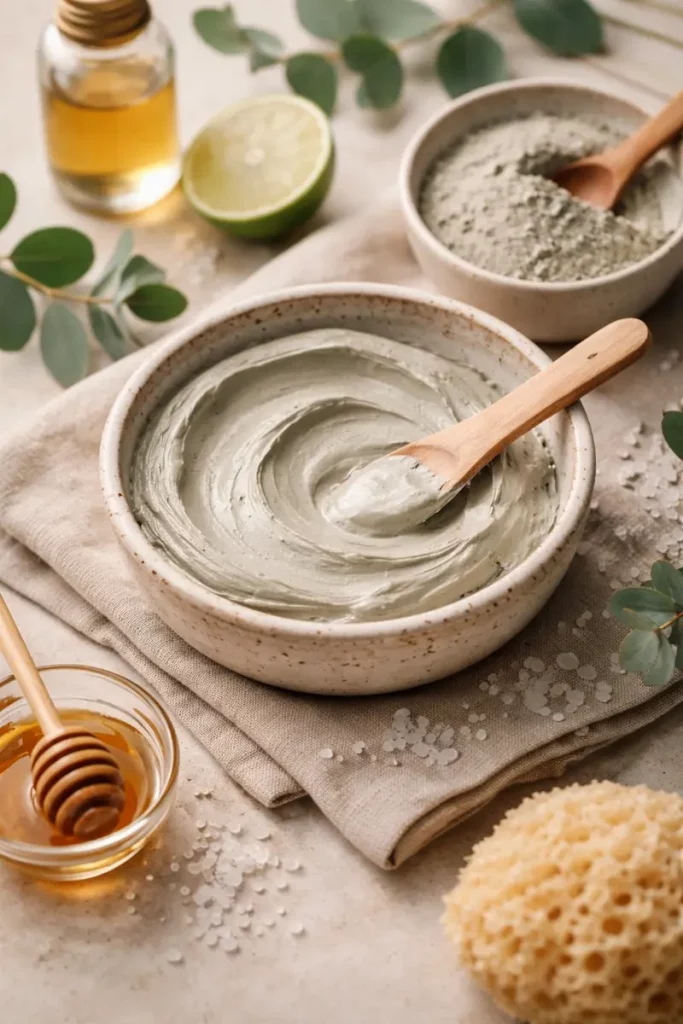
Selecting appropriate tools is equally crucial. Due to the reactive nature of bentonite clay with metal, it is imperative to use non-metallic utensils and mixing vessels. Glass, ceramic, or wooden instruments are recommended for optimal results. By making this simple change, you keep the clay’s natural qualities intact and achieve the best possible results. Additionally, when you get ready to use the mask, pause to set an intention. Maybe you want healthier skin. You seek a sense of calm. It is your wish, just some personal time. Furthermore, being mindful during your routine can make it even more rewarding. Skincare isn’t only about how you look; it’s also about caring for your overall well-being.
How to Make a Homemade Bentonite Clay Facial Mask
Homemade Bentonite Facial Clay Mask
Materials
- 1 Tbsp Bentonite Clay
- 1 Tbsp Apple Cider Vinegar
- 1 Tbsp Honey
Instructions
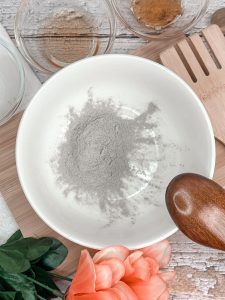
- Start by measuring 1 tablespoon of bentonite clay and placing it into a non-metal bowl. Bentonite clay is renowned for its detoxifying properties, making it ideal for extracting impurities from the skin.

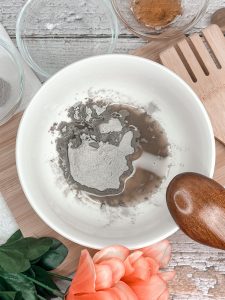
- Add 1 tablespoon of apple cider vinegar to the clay. If your skin is sensitive or if you prefer a milder mask, you can substitute water instead. The vinegar will react with the clay, creating a fizzing effect. This reaction is normal and indicates that the mask is being activated.
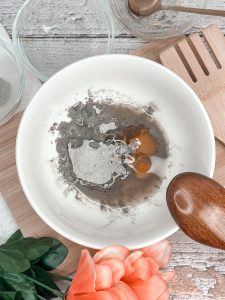
- Add 1 tablespoon of honey and mix it thoroughly.
Notes
**Applying the Mask**
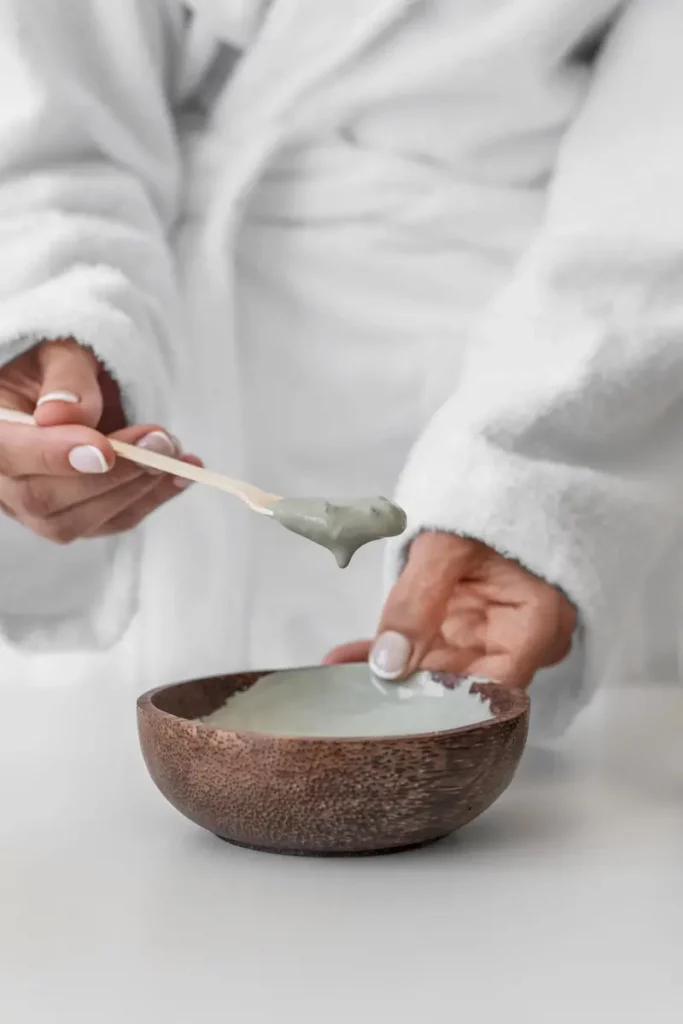
Using clean fingers or a brush, apply an even layer of the mask to your face, taking care to avoid the eye and mouth areas. Allow the mask to sit for 10 to 15 minutes, or until it begins to dry.**Rinsing Off**
Once the mask has dried, gently rinse it off with warm water. Pat your face dry with a soft towel, and then follow up with your favorite moisturizer to keep your skin hydrated.Tips for Best Results
- Frequency: Use the mask once a week for optimal results. Overuse can lead to skin dryness.
- Patch Test: Always perform a patch test to ensure no allergic reaction occurs.
- Storage: If you have leftover mask mixture, store it in an airtight container for up to a week.
Customizing Your Bentonite Clay Mask for Different Skin Types
A homemade bentonite clay facial mask stands out for its adaptability. Moreover, you can change it to target different skin issues by changing the liquid base or adding various natural ingredients. For instance, apple cider vinegar works well for oily or acne-prone skin. It boosts the mask’s clarifying benefits. Water or aloe vera juice, on the other hand, tends to be kinder to dry or sensitive skin.
A touch of raw honey adds soothing and antibacterial benefits to the mask. Additionally, a few drops of skin-safe essential oil, like lavender or tea tree, can boost skin health. These oils can also enhance the sensory experience. But always use them sparingly and patch test first. Furthermore, adjusting these ingredients helps you tailor the bentonite clay mask to your skin’s needs. Small tweaks can noticeably improve your skin over time.
How Often to Use a Bentonite Clay Facial Mask
Bentonite clay is effective; nonetheless, it should be used in moderation. For most, a homemade mask once a week is enough. Moreover, those with oily skin use it twice weekly if well tolerated. On the other hand, overuse can cause dryness or irritation, especially for sensitive skin.
Watch your skin’s reaction after every use. For example, should you experience ongoing redness, tightness, or discomfort, consider using the mask less often or modifying its formula. Still, your skincare regimen ought to be gentle and nurturing, not abrasive. Thus, paying attention to your skin helps keep the mask a positive part of your routine.
What to Expect After Using a Homemade Bentonite Clay Facial Mask
Upon removal of the mask, it is common for the skin to show mild redness, which typically subsides promptly. Hence, increased circulation can contribute to a brighter complexion and smoother texture. In the days after application, pores often are less congested, and oil production becomes more regulated. Continued use of a homemade bentonite clay facial mask provides cumulative benefits. It includes a reduced frequency of breakouts and a gradual improvement in skin texture. While immediate results should not be expected, consistent application is linked to noticeable enhancements over time.
Common Mistakes to Avoid When Using Bentonite Clay
Despite its simplicity, there are a few common mistakes to be mindful of. Allowing the mask to dry out excessively can result in your skin losing moisture and becoming unnecessarily dry. Furthermore, metal tools disrupt the clay’s effectiveness. It’s crucial not to skip hydrating your skin after washing off the mask. Bentonite clay draws out oils, so restoring moisture is vital. Instead, using a gentle moisturizer or serum afterward helps keep your skin hydrated and maintains its natural barrier. Avoiding these common mistakes ensures you get the most from your homemade bentonite clay facial mask. It keeps your skin feeling comfortable.
Incorporating the Mask Into a Holistic Skincare Routine
First, a homemade bentonite clay mask is most effective as part of a thorough skincare routine. Next, cleansing, moisturizing, and sun protection are essential steps. Regular treatments deliver better results than relying on a single product. Additionally, healthy habits like hydration, nutrition, and stress management further enhance the mask’s benefits.
Final Thoughts on Making a Homemade Bentonite Clay Facial Mask
Making a homemade bentonite clay facial mask is a simple, natural way to care for your skin. Using basic ingredients and mindful techniques, you create an effective, affordable treatment that fits into a clean skincare routine. With regular use, this customizable mask can help achieve clearer, balanced skin and support well-being. I hope you enjoy this homemade recipe. If so, then you’ll love How to Make Shea Butter Cleansing Balm.