10 Simple Ways to Make Your Home Feel Warm and Inviting
Affiliate Disclaimer: Just a heads up—some links on this page are affiliate links. That means if you buy through them, I earn a small commission (at no extra cost to you). It helps support my work, so thank you for your support!
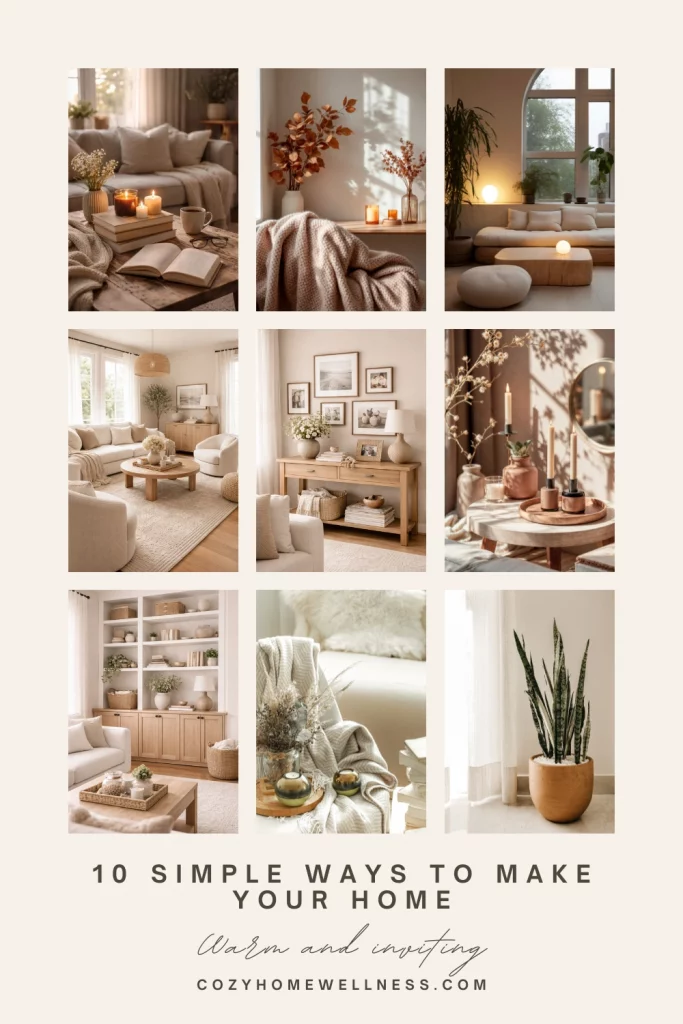
Want to make your home feel warm and inviting? A home should offer more than just a place to rest. It ought to serve as a sanctuary from the world. This sanctuary provides comfort and relaxation. Make your space welcoming and cozy. As a result, you create an environment that greets visitors warmly. It also provides you with comfort at the end of every day. Furthermore, the sense of warmth in a home isn’t determined by how big it is. It’s not about your budget or what’s presently stylish. Instead, it’s about the thought, comfort, and emotional ties you build within it.
It is a common misconception that creating a welcoming home atmosphere requires a full redesign. Many believe it also needs a significant investment in decor. Yet, the sense of warmth actually derives primarily from subtle elements that shape the ambiance beyond mere aesthetics. For instance, factors like lighting, texture, scent, color, and personal accents collectively create comfort and a sense of belonging. When these components are intentionally integrated, even a modest residence can exude a cozy and inviting environment.
To start with, this guide covers ten straightforward ways to create a cozy, welcoming atmosphere in your home. Moreover, these simple steps work well for any living space and never go out of style. Even small changes can have a powerful effect. As a result, you will convert your home into a comforting retreat. It will become a peaceful place that you will enjoy every day.
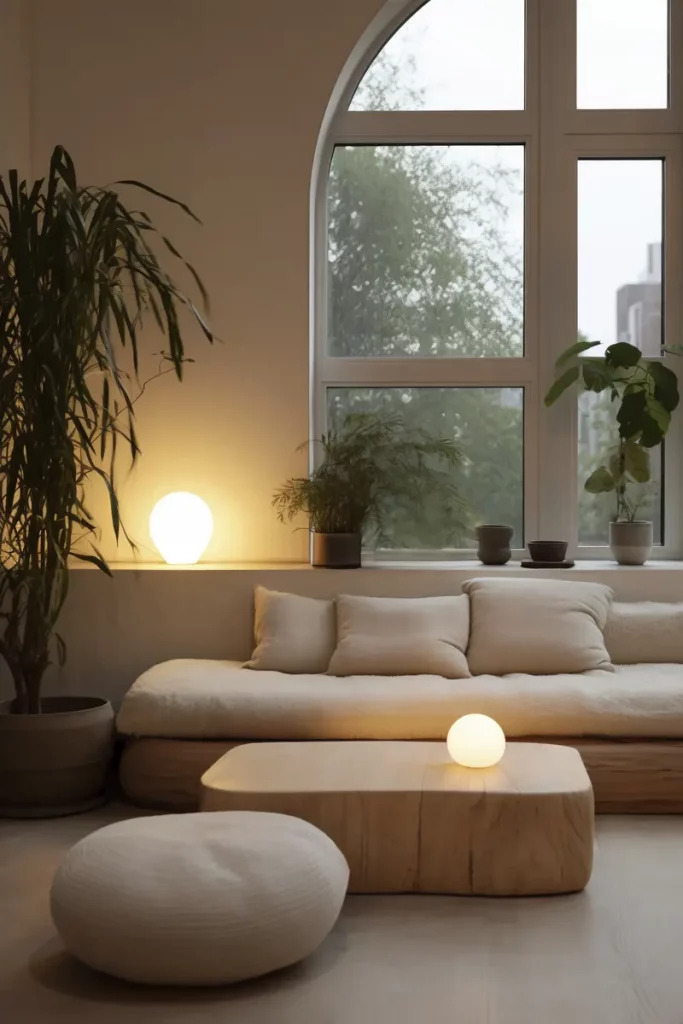
Use Soft, Layered Lighting Throughout Your Home
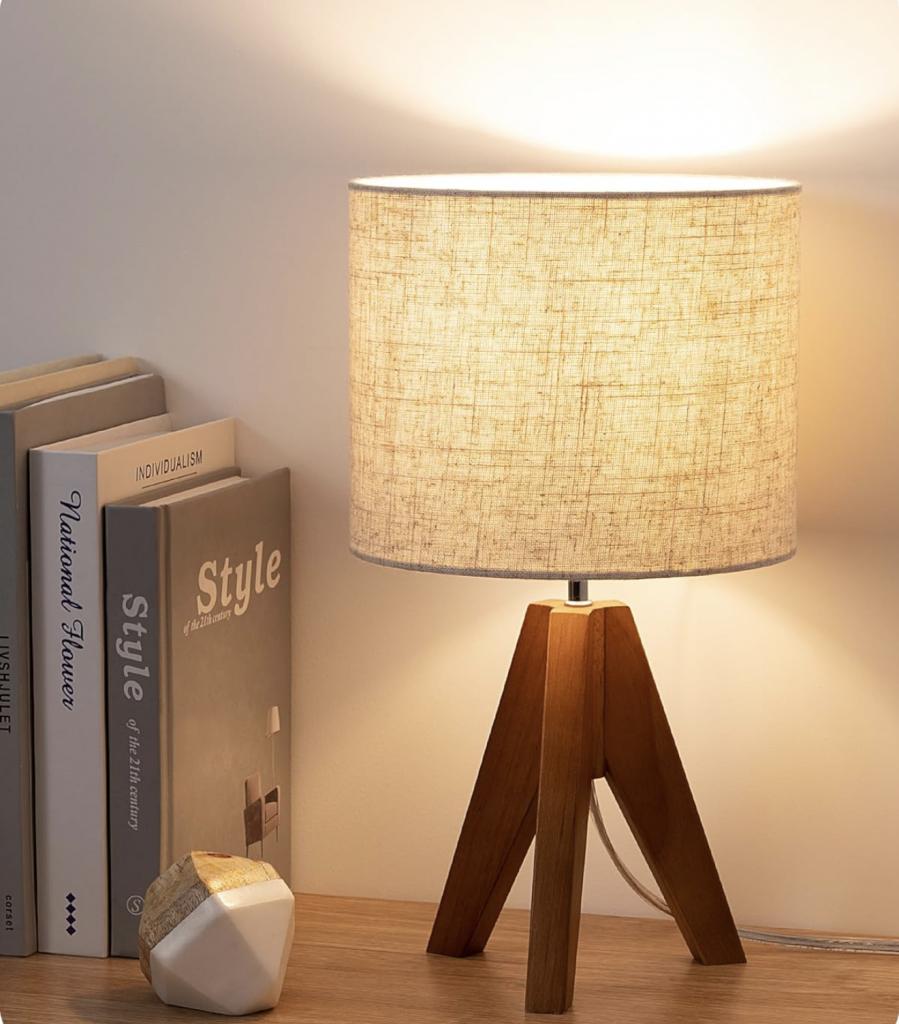
The first thing that makes your home feel warm and inviting is lighting. Lighting plays a key role in creating a welcoming atmosphere at home. Intense, stark lighting can leave a room feeling chilly and detached, regardless of its decor. In contrast, gentle, multi-layered lighting adds both warmth and dimension. As a result, every space becomes more soothing and inviting.
Rather than relying solely on overhead lighting, it is advisable to incorporate a variety of light sources at different heights. For example, using table lamps, floor lamps, wall sconces, and discreet accent lights fosters gentle illumination. This type of lighting is calming rather than overpowering. Additionally, the use of warm-toned bulbs is recommended since they replicate the natural warmth of sunlight and candlelight. Furthermore, in the evening, dimmer lighting promotes rest. This creates a tranquil and welcoming atmosphere within the home.
Natural light contributes significantly to creating a warm atmosphere. To maximize daylight exposure, consider installing light curtains. You can also use sheer panels that allow sunlight to enter your home throughout the day. Moreover, harmonize natural illumination with subtle artificial lighting. This ensures that your living environment remains inviting at all times. It stays welcoming regardless of the presence of sunlight.
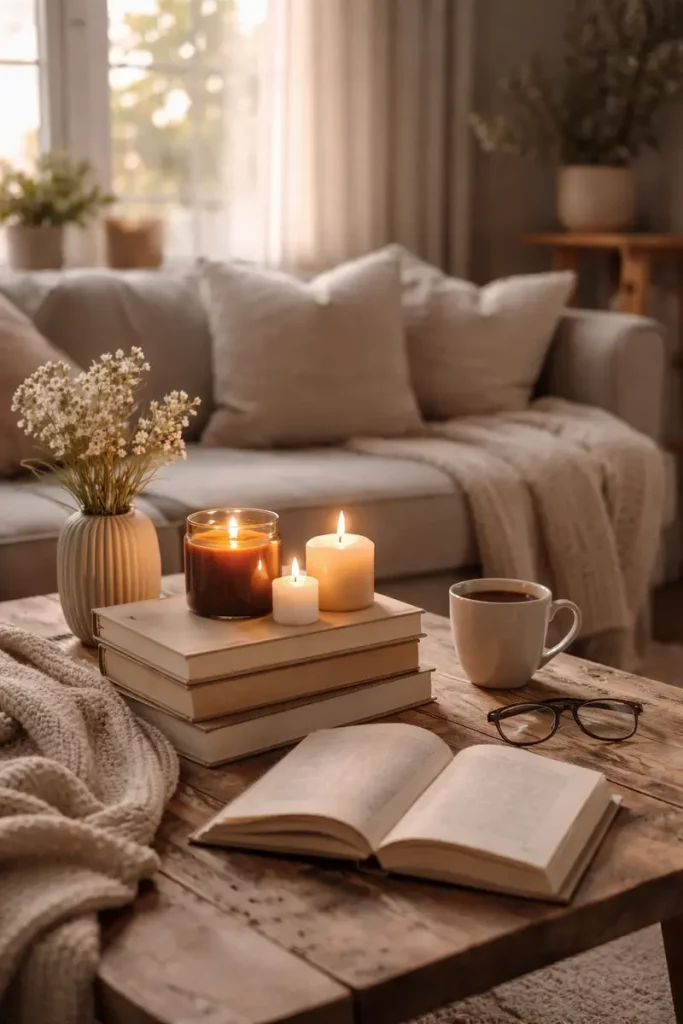
Add Texture to make your home feel warm and inviting
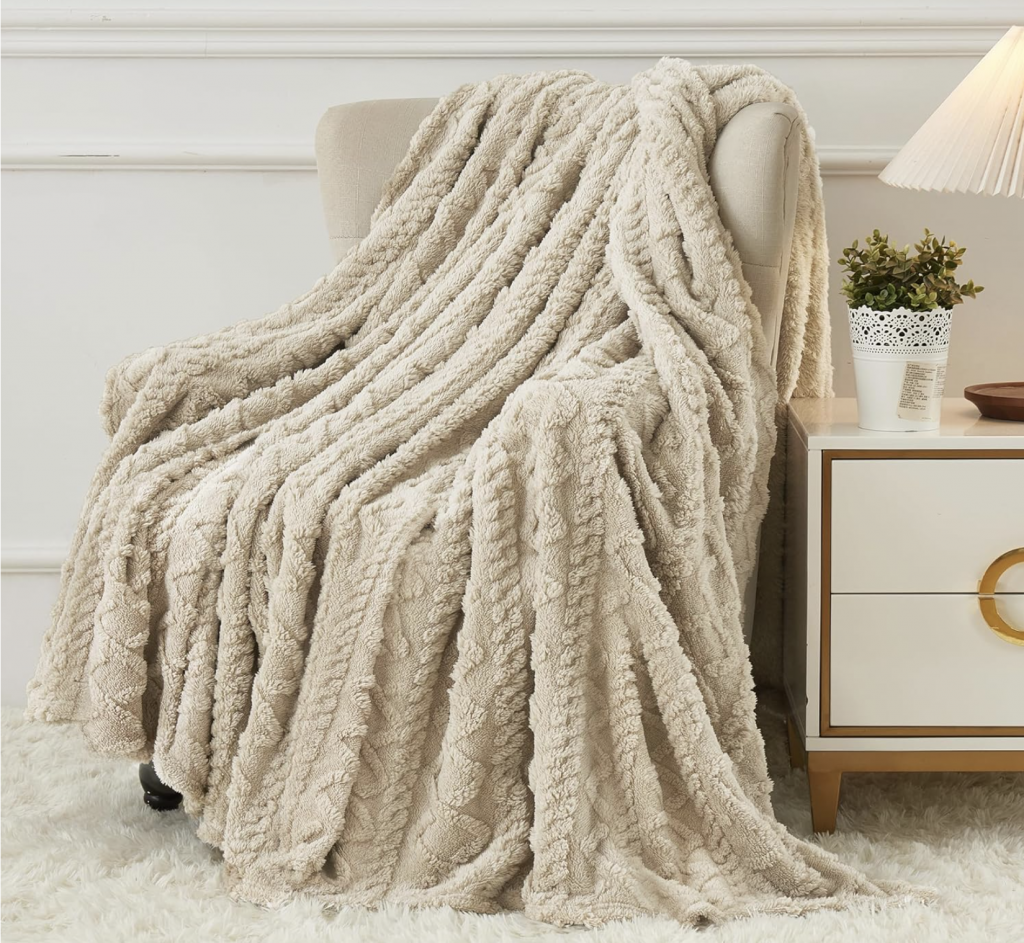
Texture serves as an effective design element that makes your home feel warm and inviting. For instance, to create a warm and inviting home environment, one should include a variety of tactile materials. This approach helps to move beyond flat and smooth surfaces. Additionally, texture adds depth, softness, and visual interest. It enhances both the comfort and the sense of habitation in a room.
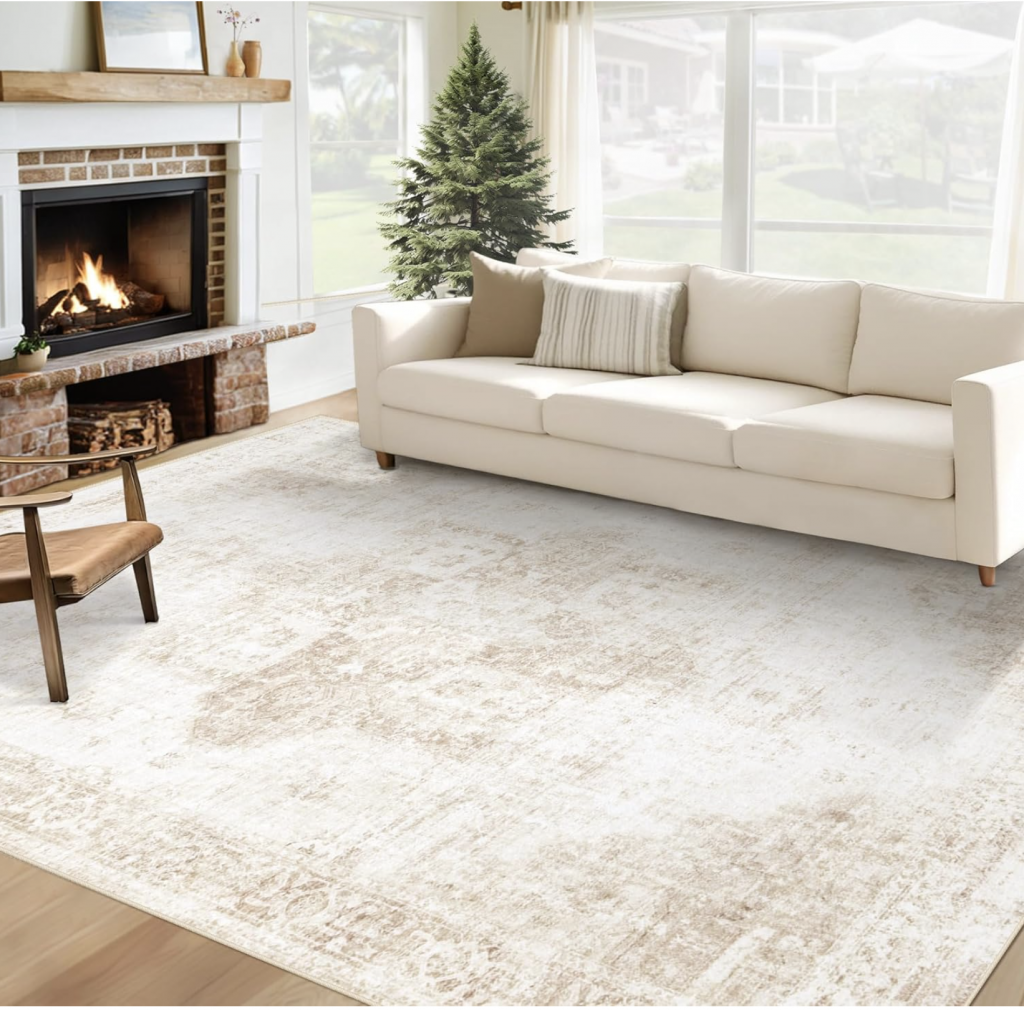
Soft furnishings—including throws, pillows, and area rugs—enhance the space by giving both visual and tactile warmth. Using natural materials like cotton, linen, wool, and jute creates a comfortable environment. These materials offer grounding within the interior space. Subtle additions like woven baskets can influence a room’s overall ambiance. Ceramic decor or textured wall art can significantly alter the feeling of a space. Layering various textures is fundamental. Pairing smooth surfaces like wood or metal with softer textiles ensures the room appears inviting. This approach prevents the room from feeling austere. Ultimately, the strategic use of texture encourages relaxation and contributes to the creation of a genuinely welcoming space.
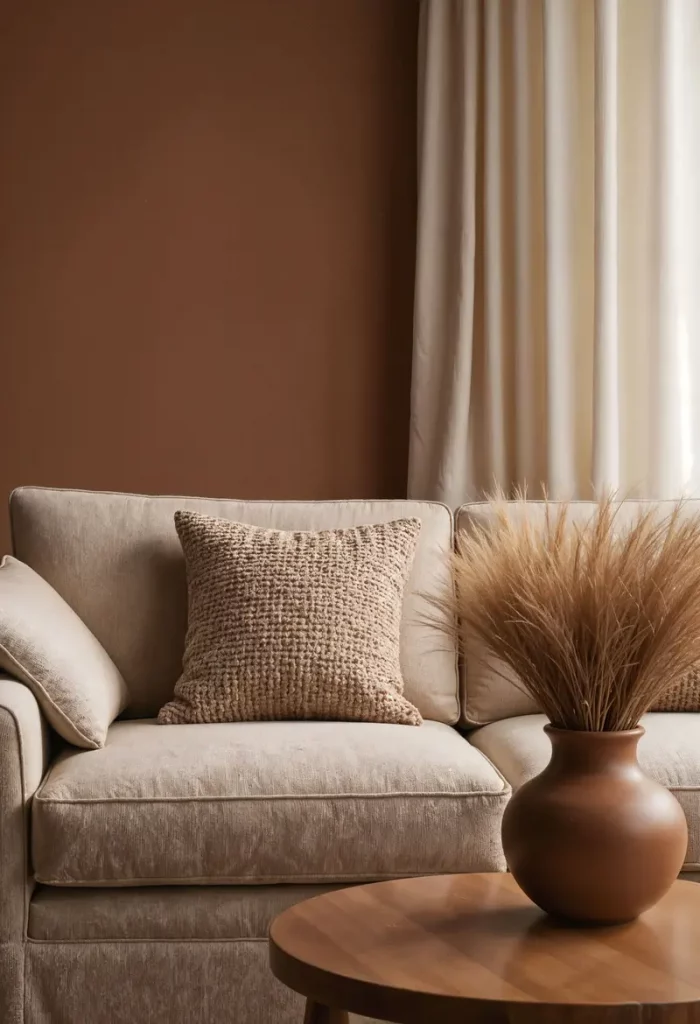
Choose Warm and Neutral Color Tones
The emotional atmosphere of your home is greatly influenced by its colors. Moreover, choosing warm and neutral shades helps create a welcoming, soothing space that remains both comfortable and classic over time.
Neutral colors offer a calming foundation. These include beige, cream, warm gray, and soft taupe. They diffuse light subtly throughout the space. Earth tones like muted browns, terracotta, and subdued greens add depth and warmth. They keep a sense of restraint through warm wood finishes. Collectively, these shades foster visual harmony and contribute to a cohesive, well-balanced environment.
Giving your home a warm feel doesn’t need repainting every wall. Instead, you can make your home feel warm and inviting by using accessories, textiles, and decorative accents in warm colors. Additionally, when these colors blend smoothly from one space to the next, your whole home appears well-designed and inviting.
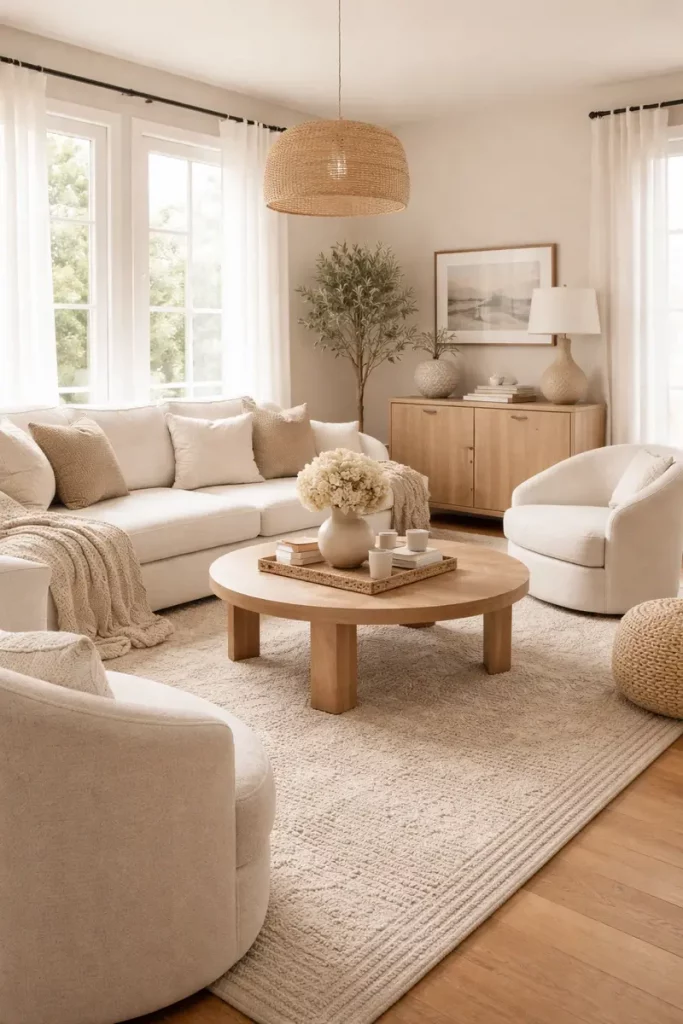
Arrange Furniture to Encourage Comfort and Connection
The arrangement of furniture significantly influences the overall atmosphere of a home, determining whether it seems welcoming or uninviting. For instance, to foster a warm and inviting environment, furnishings should be placed to allow conversation, relaxation, and interpersonal connection. Arranging furniture in ways that promote isolation can make the space feel less inviting. It also attempts to seem more connected rather than truly isolated.
Arranging seats in clusters instead of lining them up against the walls makes rooms inviting. Smaller, thoughtfully designed seating areas give spaces a comfortable and purposeful atmosphere. Place furniture near enough for people to interact easily, but still leave space for smooth movement around the room.
Achieving balance is key in any space. An overly empty room seems unwelcoming. On the other hand, a room packed with items can come across as chaotic. So, arranging furniture with care brings a sense of harmony, making the area feel both useful and welcoming. Additionally, when the layout allows for easy movement, people naturally want to spend time there.
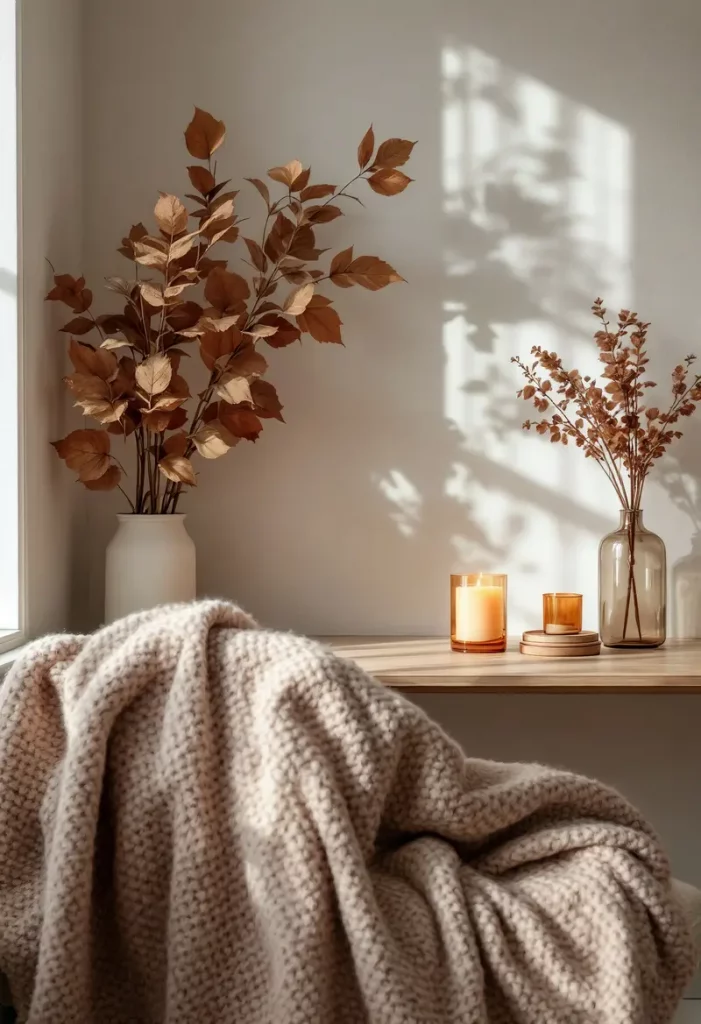
Use Scent to Create a Welcoming Atmosphere
Scent plays a powerful role in making your home feel welcoming; yet, people often forget about it. For instance, a soft, soothing aroma can quickly shift your mood and foster feelings of comfort and belonging. As a result, when guests walk into a home that smells fresh and clean, they relax right away.
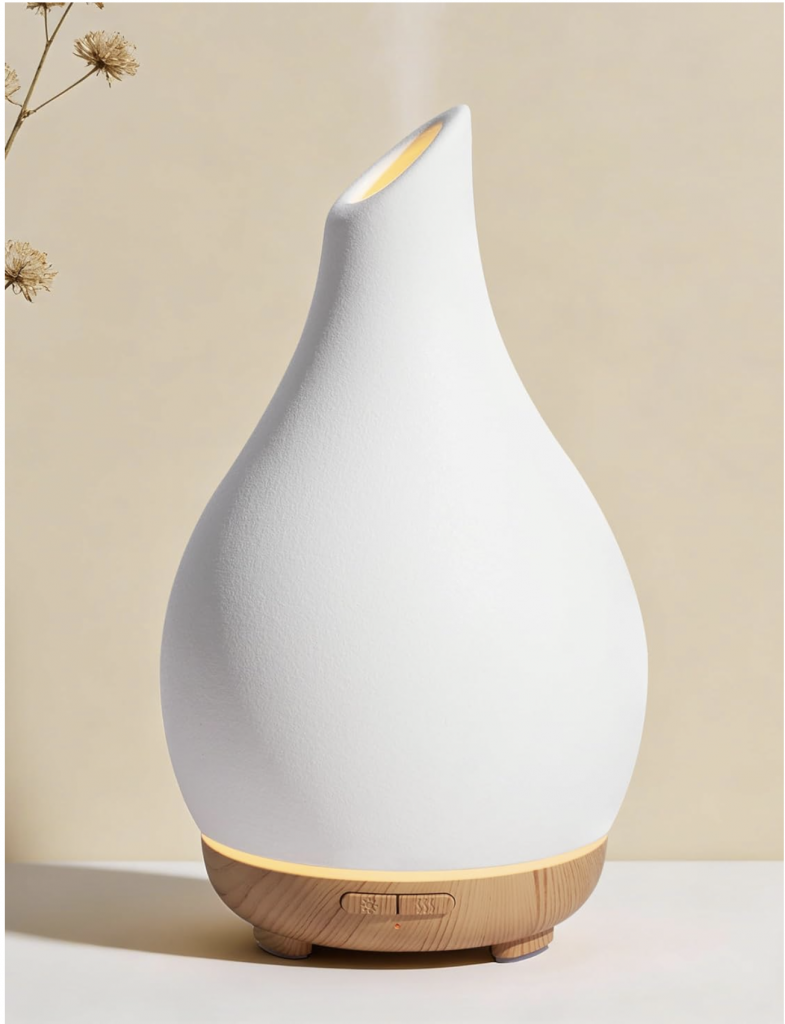
Warm, natural fragrances like vanilla, cinnamon, sandalwood, lavender, and citrus are particularly well-suited for creating an inviting atmosphere. Moreover, these scents contribute to comfort and relaxation while remaining subtle. For instance, employing candles, essential oil diffusers, or understated home fragrance solutions can guarantee a consistent aroma throughout the environment.
Subtle scents are important; strong or artificial aromas are overwhelming, but gentle, natural smells create a pleasant atmosphere. When a home carries a comforting fragrance, it feels welcoming and well looked after, enhancing its warmth and charm.
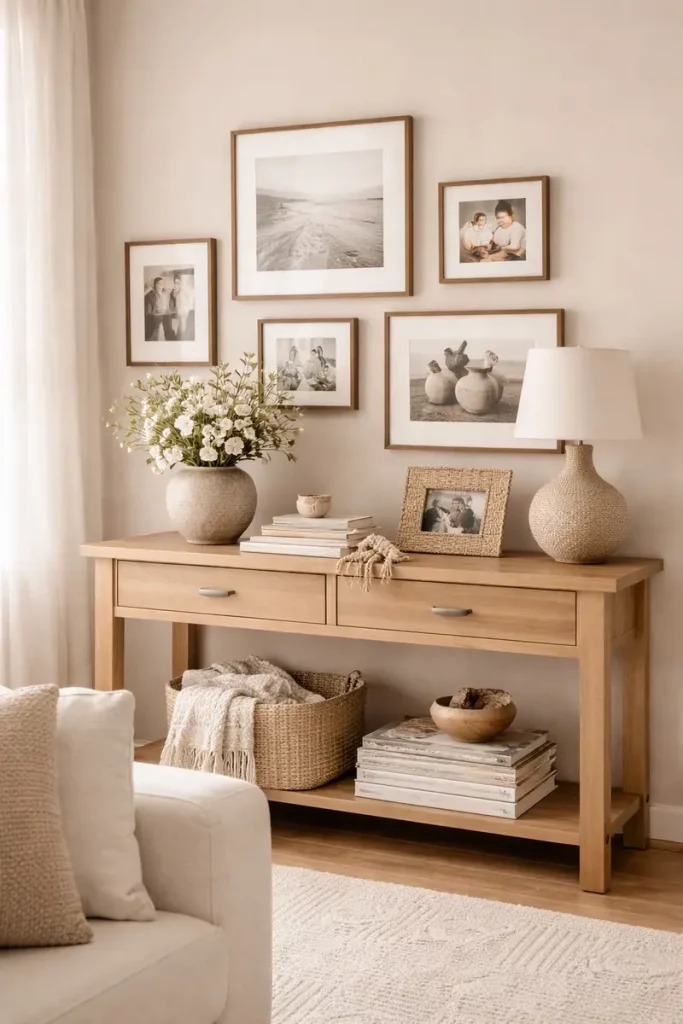
Incorporate Personal Touches That Tell Your Story
A welcoming home mirrors the personalities of its residents. For instance, adding personal details gives your space genuine warmth and significance, rather than a staged appearance. Moreover, to create an inviting atmosphere, show objects that share your unique story and carry special memories.
Family photographs, sentimental artifacts, and meaningful artwork all contribute to personalizing a space. Handcrafted decor also enhances an environment that reflects connection and individuality. Furthermore, these features introduce warmth that is distinct from standardized decorations. As a result, the presence of personal details enables guests to feel more welcomed and engaged within the space.
It’s best to showcase personal items with intention instead of overcrowding your space. Choosing just a handful of meaningful pieces lets each item stand out and keeps your decor balanced. A home that displays your memories and values tends to feel cozier and more welcoming.
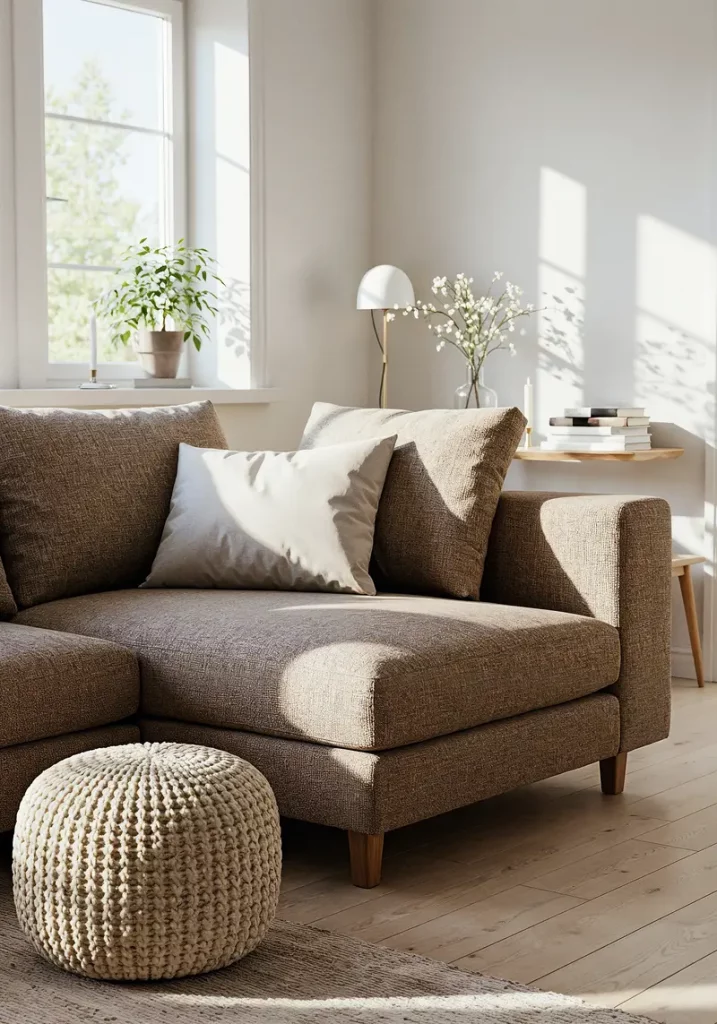
Use Soft Furnishings to Enhance Comfort
Soft furnishings are essential elements for establishing a welcoming and comfortable environment. Items like curtains, rugs, pillows, and throws enhance a room’s warmth. They add tactile and visual softness. Additionally, to enhance the inviting quality of an interior space, choose fabrics with a pleasant texture. Make sure they harmoniously complement the existing decor.
Rugs contribute warmth underfoot and help in delineating spaces, particularly in areas featuring hard flooring. Moreover, curtains offer a softening effect for windows, improve privacy, and introduce an element of sophistication and warmth. Additionally, pillows and throws placed on seating arrangements promote relaxation and communicate a sense of comfort.
These soft elements contribute to sound absorption, reduce echo, and enhance the tranquility of a home environment. When a space offers a calm and comfortable atmosphere, it becomes inherently more welcoming.
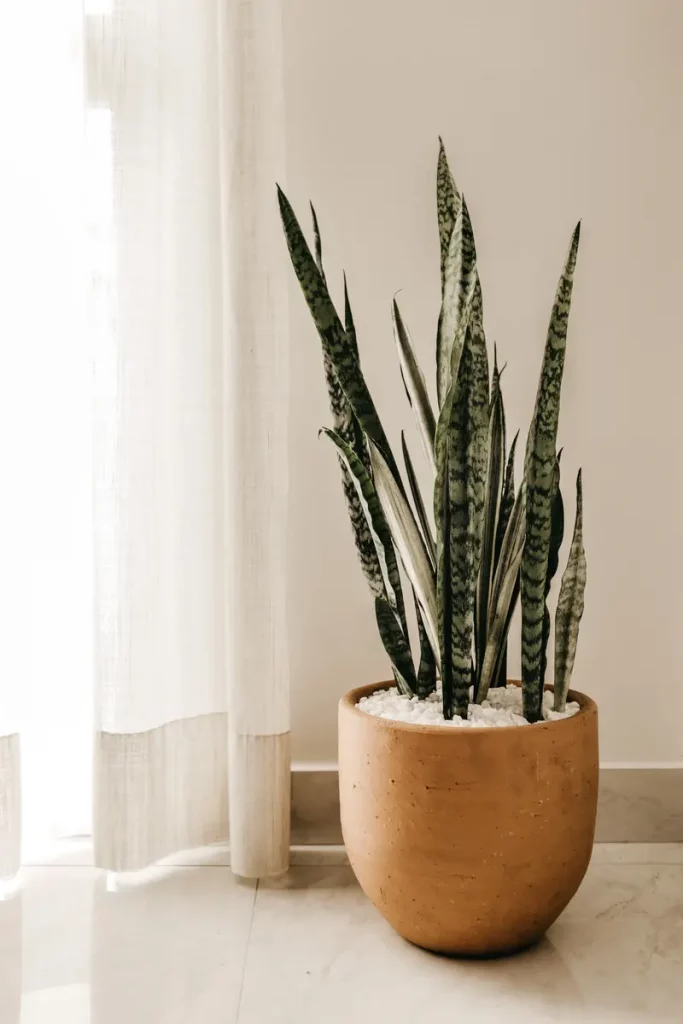
Make your home feel warm and inviting – Bring Nature Indoors for a Calming Effect
Spending time in nature has a calming and centering effect. So, incorporating elements from the outdoors into your home can instantly create a welcoming and cozy environment. Furthermore, by adding plants, you enhance a room’s look with vibrant color, interesting texture, and a more pleasant ambiance.
Just a handful of plants can completely change a room’s atmosphere, instantly bringing in freshness and liveliness. Live plants are not always practical. You can still achieve a similar natural vibe by using dried flowers, branches, wooden accents, or stone decorations. Moreover, incorporating these materials helps create harmony and connects your home to the natural world.
Incorporating natural textures into interior design can enhance a space by fostering a tranquil atmosphere. When residential environments show elements of nature, they convey relaxation, hospitality, and harmony.
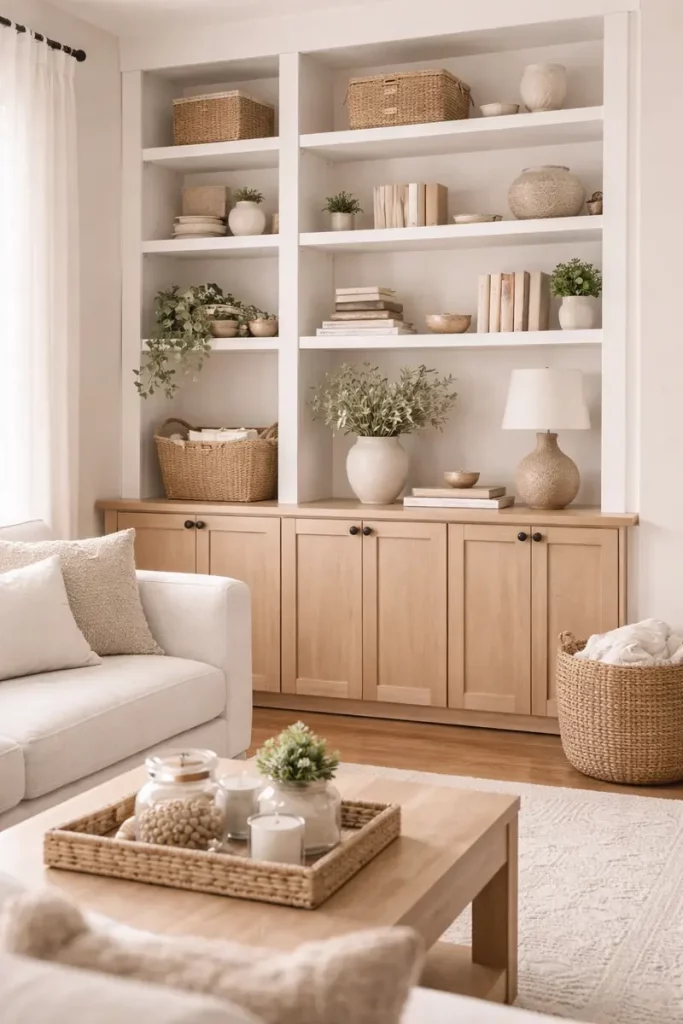
Keep Your Home feel warm and inviting by Organizing Without Feeling Sterile
A well-maintained and orderly home creates an inviting atmosphere; yet, it avoids giving the impression of sterility or impersonality. Thus, achieving an optimal balance between organization and comfort is crucial for creating a warm living space. Also, effective organization minimizes visual clutter and stress, thereby enhancing the overall sense of welcome and ease.
Implementing strategic storage solutions ensures that daily necessities stay within reach while preserving an orderly environment. Maintaining clear surfaces and spacious rooms enhances the overall usability and comfort of the home. An effective organization should ease routine activities and contribute positively to everyday living.
An organized home environment fosters a sense of calm and hospitality by enabling individuals to focus on comfort over disorder. Furthermore, when each item is appropriately placed, the residence conveys intention and tranquility.
Create Warmth Through Consistency and Intention
Making your home feel warm and inviting is rooted in intentional design. In fact, warmth is not achieved through adherence to trends or perfection. It is established by creating a space conducive to comfort, relaxation, and meaningful interaction. Consistent use of color, texture, lighting, and decor elements contributes to a cohesive setting. This cohesive setting demonstrates careful consideration and hospitality.
Intentional, subtle adjustments can create lasting effects. When each room harmonizes and feels cohesive, your house transforms into a retreat instead of merely a residence. As you keep tailoring your surroundings to suit your emotions, the sense of comfort steadily deepens.
Pay attention to lighting, texture, and color choices. Consider furniture placement and pleasant scents. Personal details, elements of nature, and neatness are also important. These aspects make your home feel comfortable and inviting. As a result, a truly welcoming space demonstrates thoughtfulness and comfort. It also shows sincerity. It becomes somewhere you’re always happy to return to.
sHOP THE POST