Revive Damaged Hair With Powerful Oils for Silky Strength now!!
Affiliate Disclaimer: Just a heads up—some links on this page are affiliate links. That means if you buy through them, I earn a small commission (at no extra cost to you). It helps support my work, so thank you for your support!
How to Revive Damaged Hair Naturally for Strong, Healthy, Shiny Locks
Struggling with damaged hair? You’re not alone—this is a frequent concern for many people. Damage can occur from heat styling. Chemical treatments can also cause damage. Exposure to the elements can contribute as well. Neglecting proper hair care is another factor. The effects often leave your hair looking dull, brittle, and lifeless. Fortunately, you can restore vitality to your hair! By caring for it regularly and using nourishing ingredients, you’ll help your hair regain its shine.
Additionally, caring for damaged hair does not necessarily need costly salon treatments or the use of harsh products. Many gentle, natural alternatives can effectively improve hair condition. It is essential to focus on restoring moisture, strength, and shine to keep hair over time.
This comprehensive guide provides evidence-based strategies to restore damaged hair through natural techniques. The next sections examine common causes of hair damage and highlight effective ingredients that support hair repair. Readers will also get guidance for establishing a sustainable routine to encourage healthy hair growth. Additionally, this resource offers practical advice, do-it-yourself treatments, and answers to commonly asked questions about hair health and recovery.
What Does Damaged Hair Look Like?
Before discussing effective strategies for restoring damaged hair, it is important to recognize the indicators of damage. Hair becomes compromised when the cuticle, its outer protective layer, weakens or fractures. This condition allows moisture to escape, resulting in increased vulnerability of the hair. Hence, understanding these factors is essential to apply appropriate care techniques.
Common Signs of Damaged Hair
- Dryness accompanied by a coarse texture
- Presence of split ends
- Noticeable and persistent frizz
- Increased breakage and hair shedding
- Reduced natural gloss or shine
- Challenges in maintaining hair length
Mildly damaged hair can recover with regular care. Severely damaged hair needs trimming and treatment, but proper nourishment helps restore even very damaged hair.
What Causes Hair Damage?
Identifying the causes of hair damage is essential. Such understanding plays a key role in restoring hair health. Although certain types of damage are unavoidable, multiple strategies exist to reduce or tackle these issues. Proactive measures can help keep hair strong and healthy.
Heat Styling
The continued use of flat irons, curling wands, and blow dryers can compromise the structural integrity of hair proteins. Prolonged exposure to high temperatures results in moisture depletion, increasing the likelihood of brittleness and breakage.
Chemical Treatments
Coloring, bleaching, perming, and relaxing make hair porous and susceptible to damage
Environmental Stress
Sun, pollution, and extreme weather dry out hair and make strands weaker.
Improper Hair Care
Excessive washing, vigorous brushing, and the use of products containing sulfates or alcohol can exacerbate existing damage.
Can You Really Revive Damaged Hair?
You can restore damaged hair with patience and care. While it can’t be fixed at a cellular level, improving moisture, strength, and protection makes hair look healthier and shinier. Pamper the shaft, seal the cuticle, and adopt protective habits to keep manageability.
Step-by-Step Guide to Revive Damaged Hair Naturally
1. Start With a Gentle Cleanse
To start the process of repairing damaged hair, select a gentle, sulfate-free shampoo. Strong detergents can strip the hair of vital natural oils, worsening existing damage
Tips:
- Cleanse hair two to three times per week.
- Use lukewarm water.
- Concentrate shampoo application on the scalp.
After shampooing, always apply a nourishing conditioner to further support hair restoration
2. Deep Condition Regularly
Deep conditioning is an effective method for repairing damaged hair, as it replenishes moisture and improves elasticity.
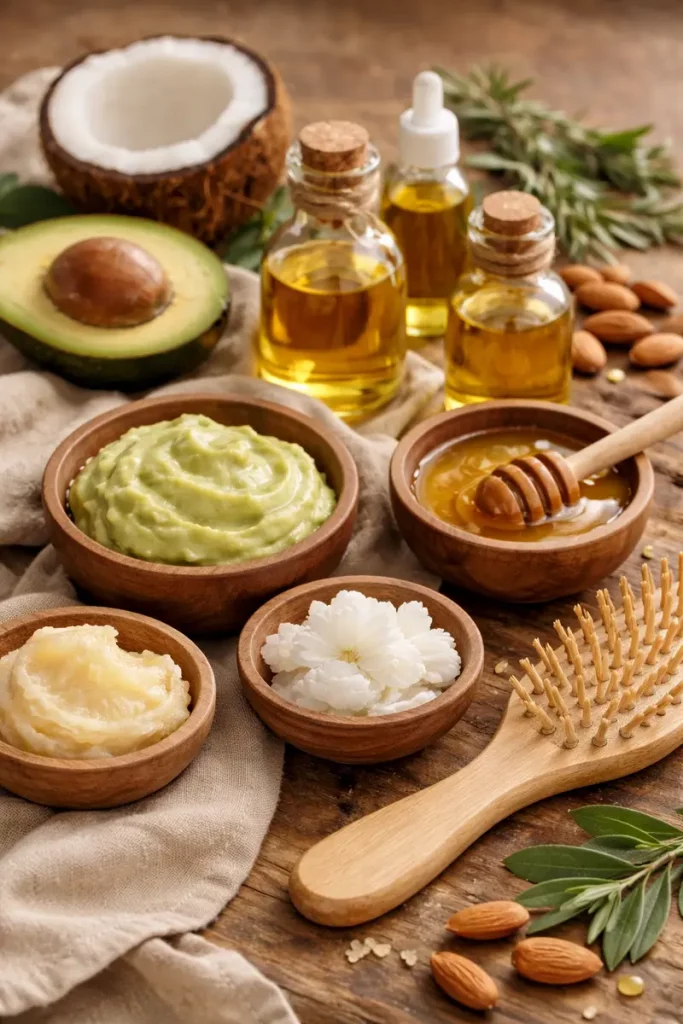
Best Ingredients for Deep Conditioning:
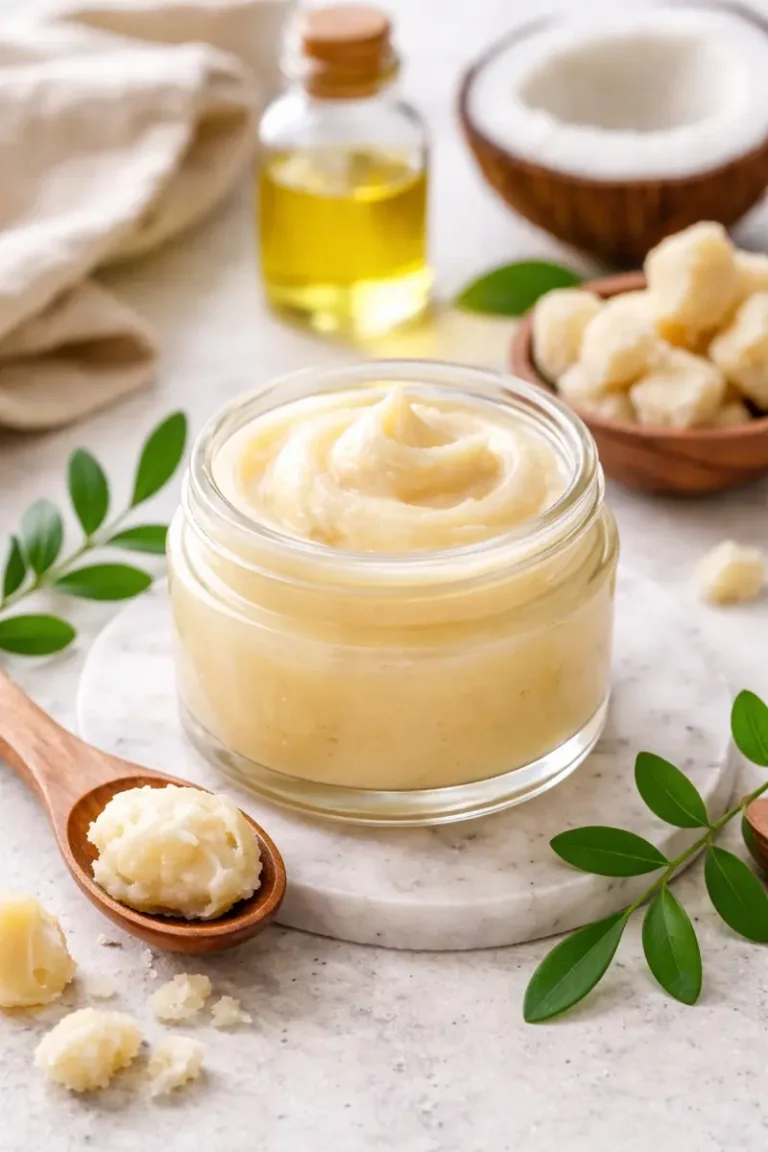
- Shea butter
- Coconut oil
- Argan oil
- Aloe vera
- Honey
For optimal outcomes, apply a deep conditioning treatment one to two times per week.
3. Use Natural Oils to Restore Moisture
Natural oils are excellent at repairing damaged hair. They help keep moisture, make the hair’s surface smoother, and shield each strand from further harm.
Best Oils for Damaged Hair
Coconut Oil absorbs into hair thoroughly and helps reduce protein loss.
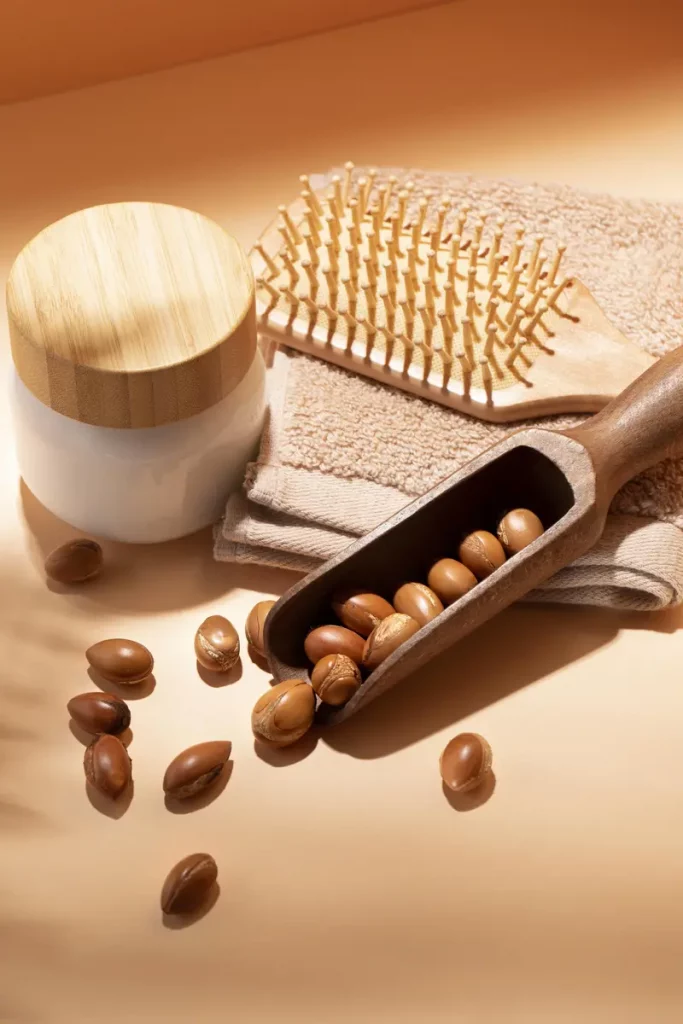
Argan Oil Delivers shine and smoothness, a lightweight feel.
Castor Oil promotes scalp health and strengthens roots.
Jojoba Oil regulates moisture, resembling natural sebum.
Apply oils as a pre-wash treatment or leave-in serum.
4. Trim Split Ends Regularly
Although trimming appears unnecessary, it is actually crucial. When split ends are not addressed, they travel upward, causing extra damage. Getting a trim every 8–12 weeks supports healthy hair growth.
5. Reduce Heat Styling
To restore damaged hair, reduce exposure to heat. Excessive heat can degrade keratin. It can also adversely affect the hair’s structural integrity.
Heat-Free Styling Alternatives:
- Allow hair to air-dry naturally.
- Create waves with braids.
- Use flexi rods.
- Use silk curlers.
If the use of heat styling tools is necessary, make sure a heat protectant product is applied beforehand.
DIY Hair Masks to Revive Damaged Hair
Homemade Hair Mask for Damaged Hair
Materials
- 1 Tbsp Coconut Oil
- 1 Egg Yolk
- 1 Tbsp Honey
Instructions
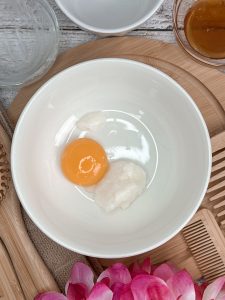
- In a small mixing bowl, combine 2 tablespoons of coconut oil with 1 tablespoon of honey. If your coconut oil is solid, gently melt it in a microwave or over a double boiler until it becomes liquid.
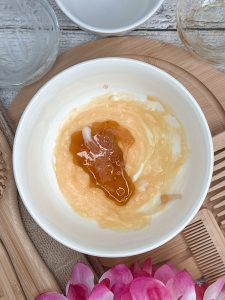

- Break the egg into the bowl and whisk the ingredients until well combined.
Notes
- Start with dry, unwashed hair and section it to ensure even application.
- Using a brush or your fingers, apply the mask from the roots to the tips of your hair, making sure each strand is thoroughly coated.
- Gently massage the mixture into your scalp for a few minutes to stimulate blood circulation and promote hair growth.
- After applying the mask, cover your hair with a shower cap or a warm towel. This helps retain heat and allows the ingredients to penetrate deeply into the hair shaft.
- Leave the mask on for 20 to 30 minutes.
- Rinse your hair thoroughly with lukewarm water. Avoid using hot water, as it can cook the egg, making it harder to wash out. After rinsing, continue with your regular shampoo and conditioner routine to remove any residue and lock in the moisture.
Protein vs Moisture: Finding Balance
When trying to revive damaged hair, understanding protein and moisture balance is vital.
- Too much protein causes stiffness
- Too much moisture causes limpness
So, alternate between strengthening treatments and hydrating masks.
Revive Damaged Hair From the Inside Out
Hair health is also influenced by diet and lifestyle.
Nutrients That Support Hair Repair
- Protein
- Omega-3 fatty acids
- Biotin
- Zinc
- Iron
Maintaining adequate hydration and adhering to a well-balanced diet are important factors in promoting hair recovery.
Nighttime Habits That Protect Hair
Small changes at night can significantly revive damaged hair.
- Use a silk or satin pillowcase
- Wear protective styles
- Apply lightweight oil to ends
As a result, hair experiences less friction and breakage.
Common Mistakes to Avoid
Overwashing
Overwashing can remove your hair’s natural oils, leading to increased dryness.
Brushing Wet Hair Aggressively
Hair is especially vulnerable when wet, so it’s best to detangle carefully.
Using Harsh Ingredients
Stay away from sulfates, parabens, and drying alcohols.
How Long Does It Take to Revive Damaged Hair?
Outcomes depend on the level of damage and regularity of treatment. Yet, the majority of individuals notice positive changes within four to eight weeks. With ongoing care, hair typically becomes stronger, shinier, and more resilient.
The FAQ
Most Common Q’s
Final Thoughts
Restoring damaged hair requires a methodical approach rather than seeking immediate solutions. By employing effective techniques, utilizing nourishing ingredients, and adopting protective practices, hair health and appearance can be significantly improved. Natural care strategies not only deliver lasting results but also preserve the integrity of hair. Consistency remains essential throughout this process. Regular gentle cleansing and deep conditioning help revitalize dry and damaged strands. These practices, merged with protective styling and mindful routines, promote stronger and healthier hair.